
Cart
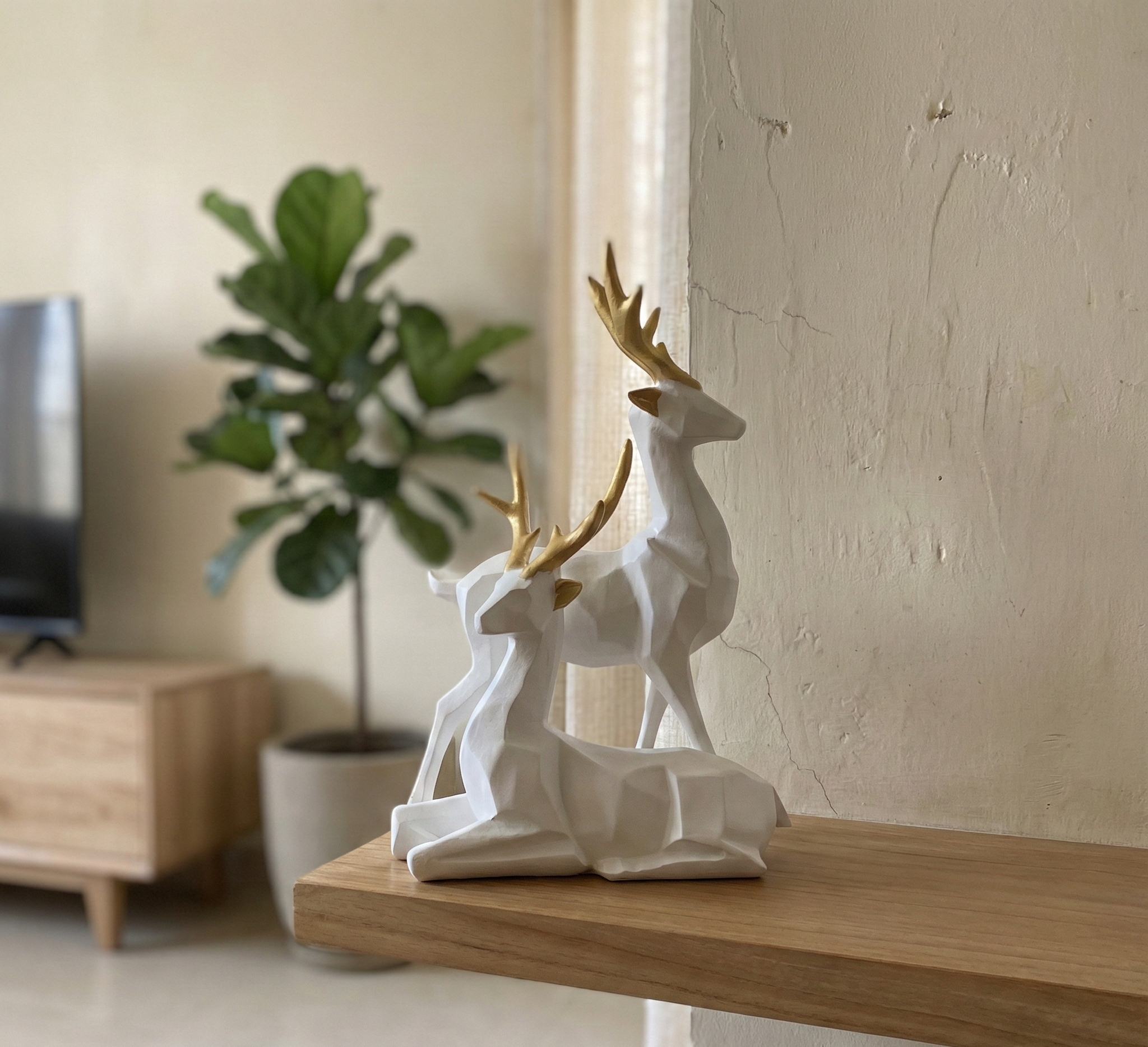
Ever walked into someone's home and thought, "Wow, this place looks like it belongs in a magazine!" — and then looked around your own living room and thought, "Well... at least I have a ceiling"? Don't worry, friend, we've all been there! The secret isn't always a massive renovation budget or a degree in interior design. Sometimes, it's just knowing how to place that gorgeous little showpiece on your shelf without making it look like it crash-landed there by accident.
Showpieces — those beautiful sculptures, vases, figurines, and decorative objects that sit pretty on your shelves and tables — are basically the jewelry of your home. And just like you wouldn't wear five necklaces, two bracelets, and a tiara to grab groceries (or would you? No judgement!), there's a bit of an art to getting them right. So grab your favorite cup of tea, settle in, and let's dive into the 7 essential guidelines for decorating with showpieces that'll have your guests doing double-takes at your impeccable taste!
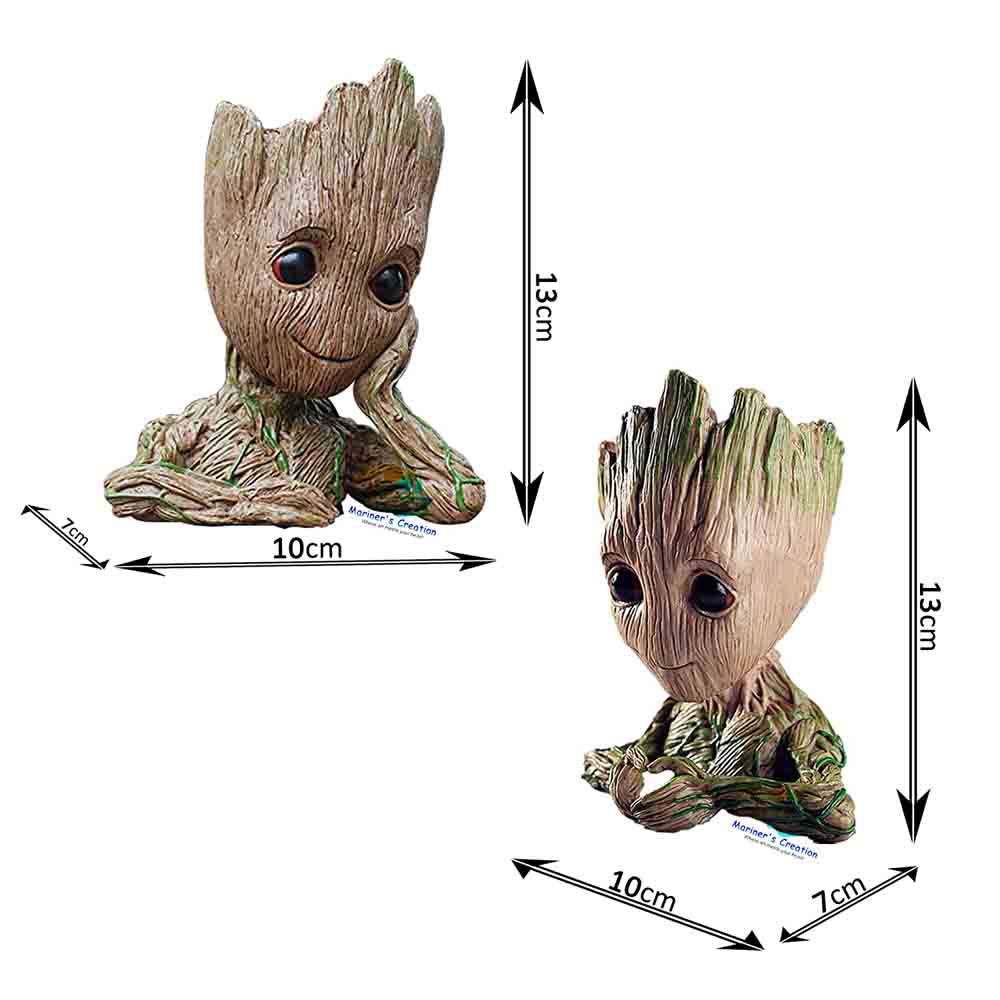
Imagine placing all your showpieces on one side of a shelf and leaving the other side completely bare. Your room would feel like it's about to tip over — like that one friend who leans too far back on a chair and nearly gives everyone a heart attack. Balance in decorating means distributing visual weight evenly across your space. You don't have to go perfectly symmetrical (though matching vases on either end of a mantelpiece? Chef's kiss!). You can also go for asymmetrical balance — a tall vase on one side balanced by a cluster of smaller showpieces on the other. Think of it as a visual seesaw where everything feels steady and harmonious. Your showpieces should make the room feel grounded, not like it's auditioning for a Jenga championship!
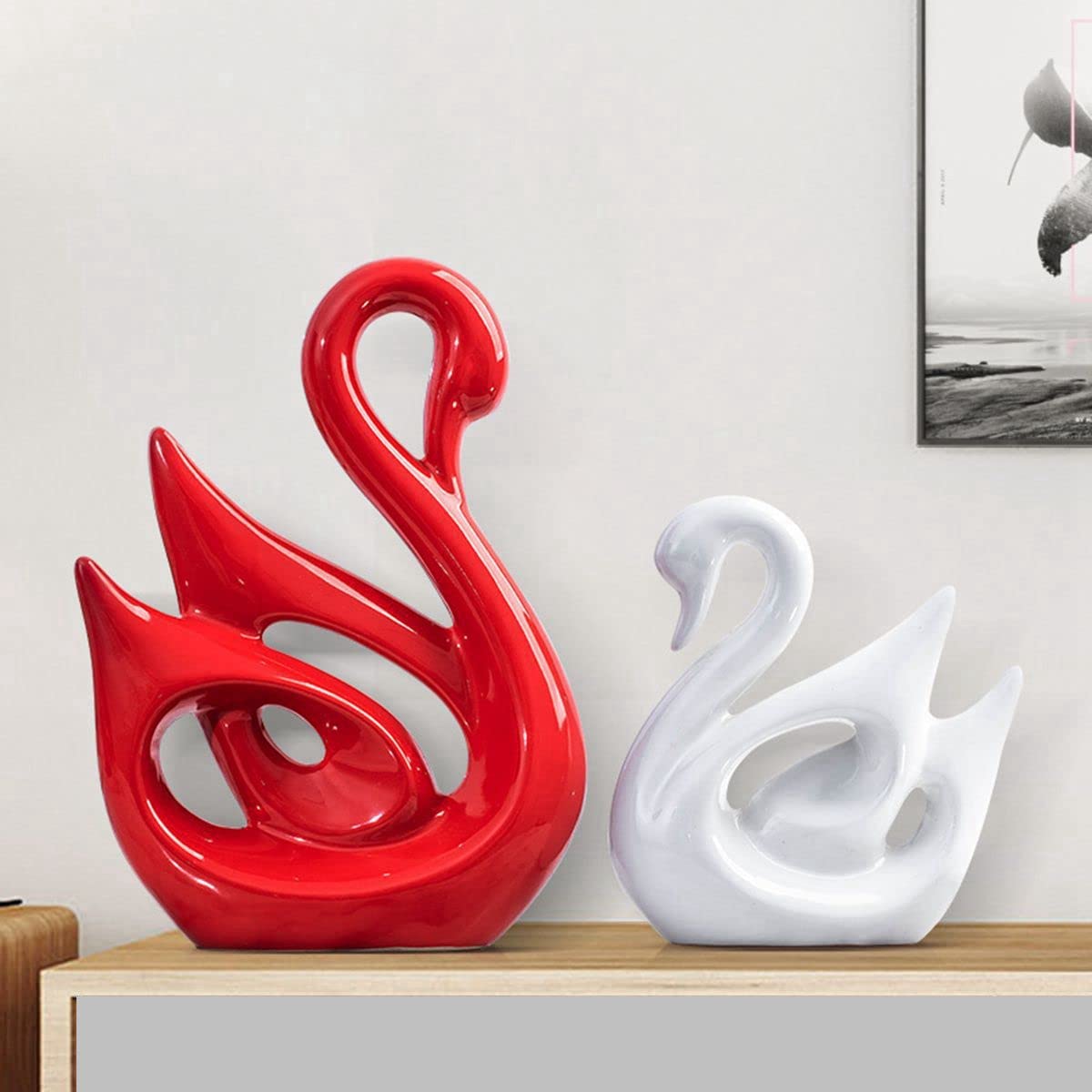
Here's a fun little secret that interior designers swear by: odd numbers are your best friends when grouping showpieces. Groups of three, five, or seven just feel more natural and visually pleasing than even-numbered groups. Why? Because even numbers feel too formal and rigid — like a board meeting — while odd numbers feel organic and relaxed, like a Sunday brunch with your best friends. So instead of placing two matching figurines side by side (unless they're perfectly symmetrical bookends), try grouping three showpieces of varying heights and textures together. Consider using Abstract Showpieces in odd-numbered sets to add dimension and character. Spoiler alert: the tall vase did it in the conservatory!

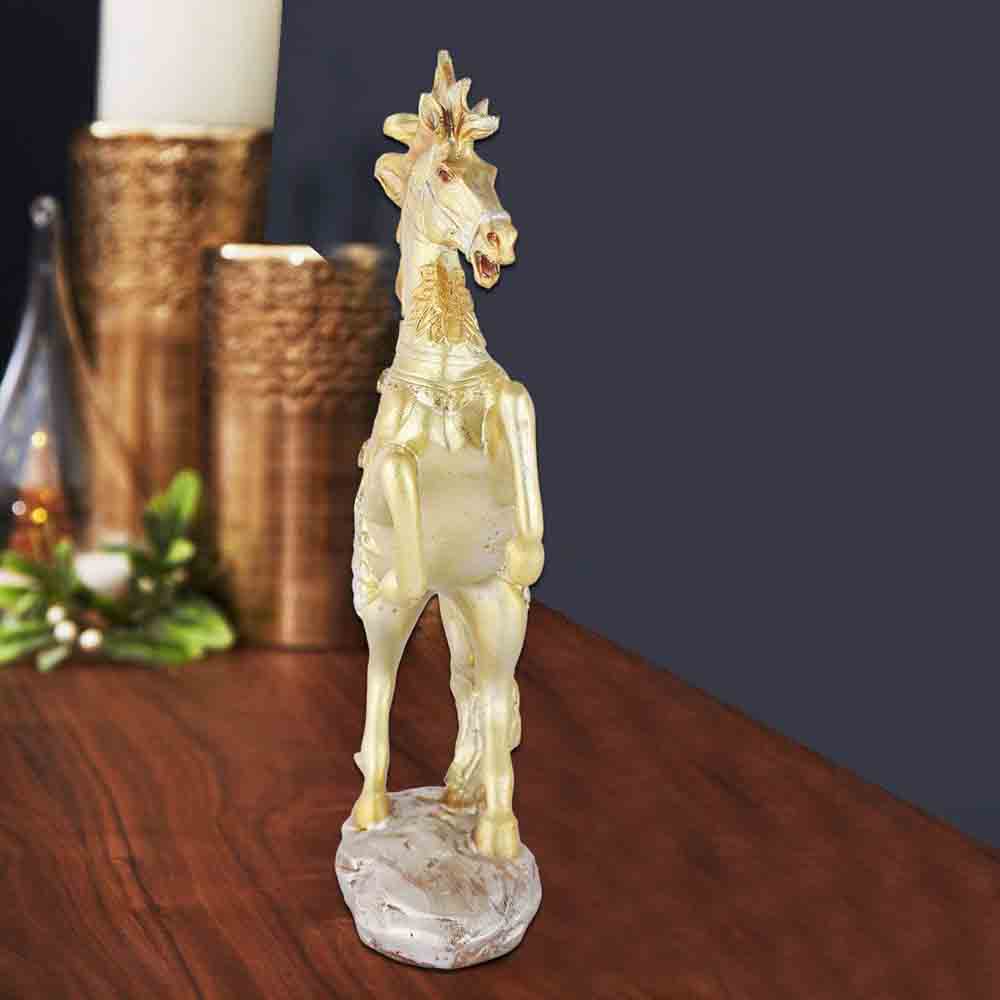
Placing all your showpieces at the same height is like watching a movie where everyone speaks in the exact same monotone voice — technically fine, but utterly boring. Varying the heights of your decorative objects creates rhythm and movement, drawing the eye around the space in a delightful little visual dance. Mix a tall sculptural piece with medium-height decorative bowls and small figurines to create a dynamic arrangement. Tall showpieces or medium-sized works like Decorative Silver Finish Showpieces can anchor your skyline of decor. Pro tip: if you need to cheat a little height, stack a showpiece on a small book or a wooden riser. Your secret is safe with us!

Your showpieces need to be team players, not solo artists trying to steal the spotlight in different directions. A coherent color palette ties your decorative objects together and makes the whole arrangement look intentional rather than "I bought this at every store I walked past." This doesn't mean everything has to match perfectly — in fact, please don't do that, it's giving very much hotel lobby from 2003. Adopting colors seen in cheap marble finish showpiece items can be an excellent way to amplify existing tones in your home. Gold and cream showpieces in a warm-toned living room? Gorgeous. When your showpieces speak the same color language, the room feels pulled together like a well-edited Instagram feed — minus the filters!
If color is the melody of your room's design, texture is the beat that makes everything feel alive. A space filled only with smooth, shiny showpieces can feel cold and sterile — like a futuristic spaceship, but not in a fun way. Mix up textures to create depth and warmth: think a smooth marble sculpture next to a rough-hewn wooden figurine, or a glossy ceramic vase beside a woven rattan piece. Textural contrasts with decorative brass-golden finish showpieces give that incredible richness. Running your eyes (and yes, sometimes your hands) across different textures gives a room incredible richness. It's the difference between a room that looks good in photos and a room that feels amazing to actually be in. Be the DJ of your own decorating — mix those textures and drop the beat!

We've all seen it — that shelf so crammed with decorative objects that it looks less like a curated display and more like a garage sale waiting to happen. As tempting as it is to showcase every single beautiful piece you own (because yes, they're all precious!), overcrowding is one of the biggest showpiece mistakes people make. Every piece needs a little breathing room — some negative space around it that lets the eye rest and appreciate each individual item. Think of negative space as the pause between musical notes; without it, everything just becomes noise. Perfect use of space can be highlighted with beautiful showpiece items as cute gifts, fitting seamlessly into any room. A good rule of thumb: if you can't see each showpiece clearly at a glance, it's time for some tough love editing. Rotate pieces seasonally, gift some to friends, or repurpose them in other rooms. Your showpieces deserve their moment to shine, not to be lost in a crowd!
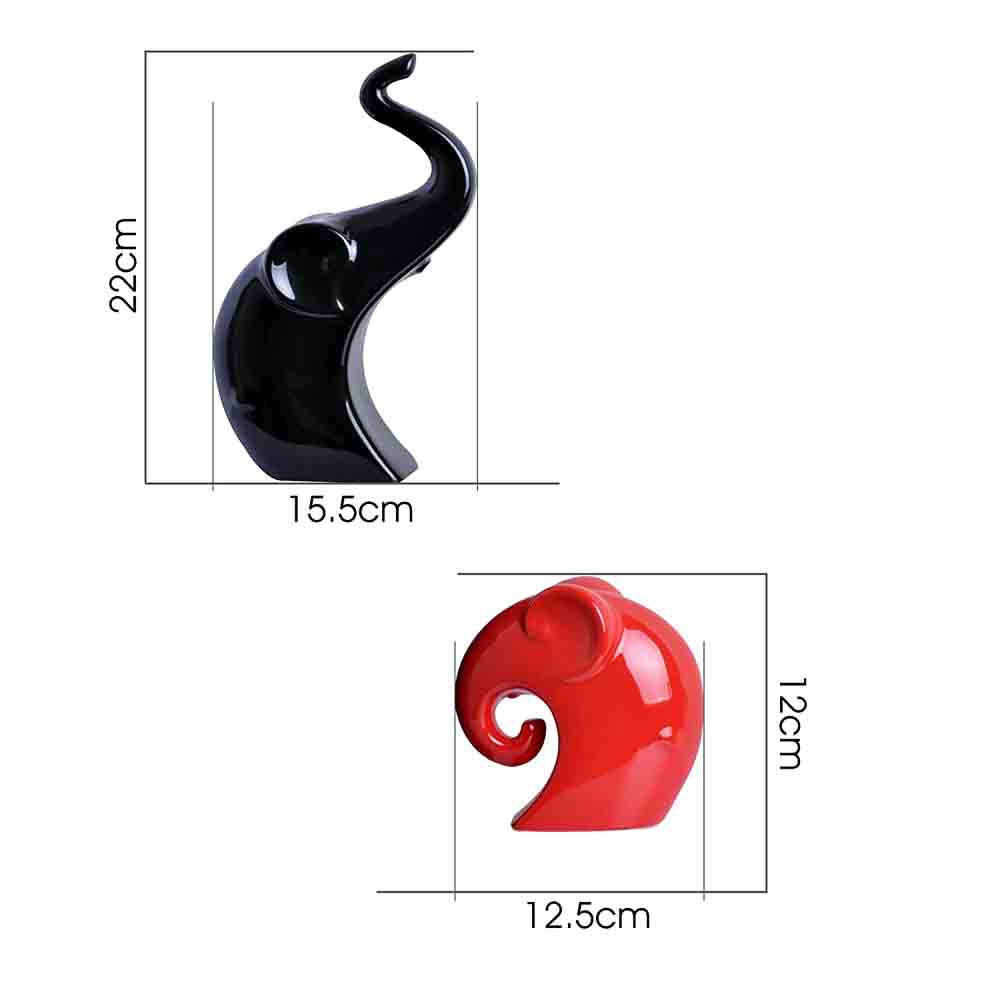
Here's the golden rule of decorating with showpieces that every expert will tell you: your home should tell your story. The most stunning, well-balanced, perfectly proportioned arrangement of showpieces will still feel hollow if it has no soul. Mix that sleek modern sculpture with the quirky little elephant figurine you picked up on your travels. Place that family heirloom vase alongside a contemporary art piece. Thoughtful arrangements of Artistic Wall Hangings and Decor can bring life and narrative to any space. Let your showpieces be a conversation starter — literally! When guests pick up one of your decorative pieces and you can say, "Oh, I got that from a little market in Rajasthan!" or "That was a gift from my grandmother," your home stops being just a pretty space and becomes a meaningful one. That, friend, is the real magic of great interior decorating. Your showpieces should make people feel like they know you a little better just by looking around your room!

Think of decorating as getting dressed for the most important event of your life — you wouldn't just throw on a single item and call it done, right? (Unless it's a fabulous cape. A cape can stand alone.) The seven layers of decorating are: paint and wall color as your base, fixed floor coverings like rugs and flooring, high furniture like sofas and beds, soft furnishings like cushions and throws, lighting (the absolute game-changer!), accessories and showpieces, and finally, art and plants. Your showpieces live in that sixth gorgeous layer — the layer where your personality really starts to shine through! By integrating hanging showpieces, you complete this layer with style. A stunning sculpture on a cluttered table in a poorly lit room is like wearing diamond earrings with a trash bag — the potential is there, but the foundation needs work!
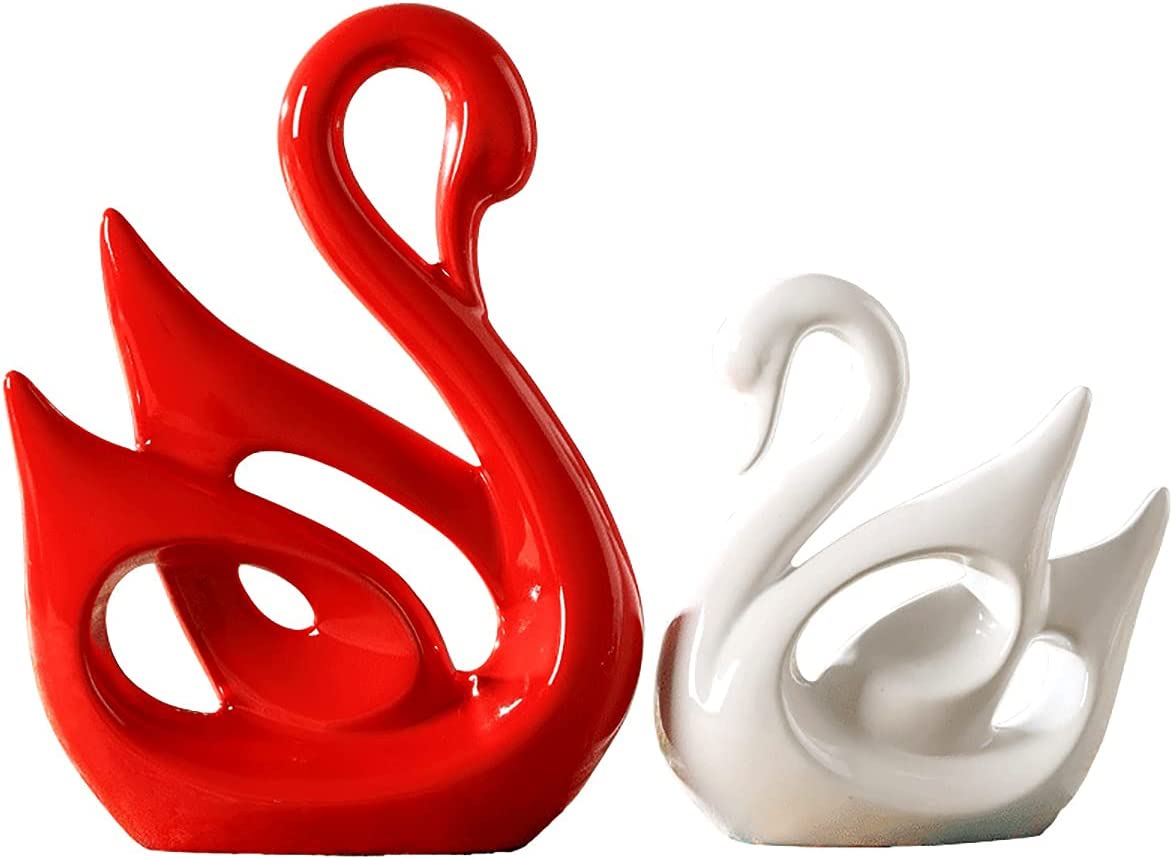
Poor little showpiece, lost in a vast sea of floor space, looking like a lonely island — we've all made this mistake! Proportion and scale are absolutely critical when placing decorative objects. A tiny showpiece on a large dining table will disappear, while an enormous sculpture in a tiny apartment entryway will have everyone doing the limbo just to get through the door. Match the scale of your showpieces to the scale of the furniture and room around them. Miniature showpieces work wonders in more intimate spaces, enhancing them without overwhelming. Large, open-plan living spaces can handle bigger, bolder statement pieces, while cozy nooks and small side tables call for daintier, more delicate objects. When in doubt, hold the showpiece up in the space and step back for a look — if it looks right, it is right. Trust those gut feelings, they're basically your inner interior designer speaking up!
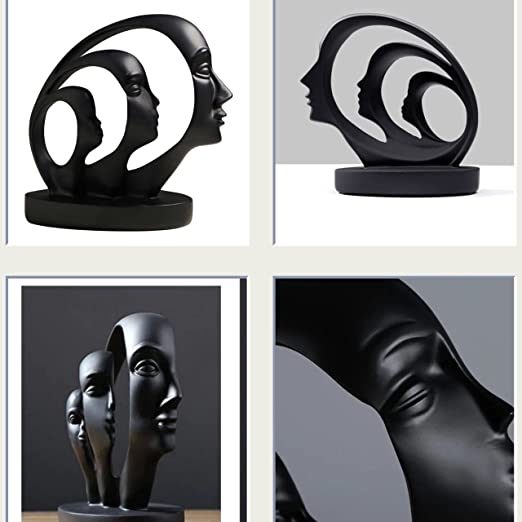
Honey, if you think your showpiece looks good in regular room lighting, wait until you see what a well-placed spotlight or accent light does to it! Lighting is honestly the most underrated element of showpiece display, and getting it right is like giving your décor a free glow-up. Use directional spotlights or picture lights to highlight sculptural pieces, and place glass or crystal showpieces near natural light sources to catch those gorgeous refractions throughout the day. Showcase your pieces like small resin showpieces for car dashboard with superior strategic lighting. Backlit display shelves? Absolutely chef's kiss for collections of delicate figurines or glass objects. The right light transforms a decorative piece from "nice ornament" to "jaw-dropping focal point." Think of it as the difference between a photo with good lighting and one without — same subject, completely different impact. Light your showpieces like the stars they truly are!
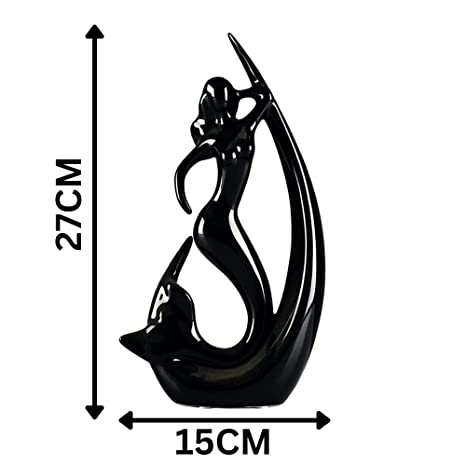
There's something deeply satisfying about a well-curated collection of showpieces that share a common thread — whether it's a color, material, cultural origin, or style. Displaying a collection of blue and white ceramics together, or grouping travel souvenirs from different countries, or arranging a series of brass animal figurines creates a visual impact far greater than scattering them randomly around the room. Look for themed arrangements with modern design showpieces that resonate throughout your interiors. It transforms individual pieces into a collection — and collections tell stories. However, and this is important — know when to stop! A focused collection of seven to twelve related showpieces feels curated and intentional. Forty-three ceramic cats? That's a different kind of statement altogether (still valid, by the way, just... know your audience). Theme your showpieces thoughtfully and let that collection become the visual centerpiece of your room!

Before you commit to a showpiece arrangement and start drilling holes in walls or rearranging all your furniture, do yourself a massive favor and try things out first. Lay your showpieces on the floor in roughly the arrangement you're envisioning. Take photos from different angles. Live with it for a day or two before finalizing. This is especially crucial for larger statement pieces that are heavy, fragile, or both (the absolute worst combination). Interior designers call this the "vignette" approach — creating small, styled arrangements that you can experiment with freely before committing. Think of it as the audition before the big performance. Not every showpiece is going to get the part in every room, and that's perfectly okay. The ones that don't make the cut for the living room might be absolute stars in the bedroom or hallway!
And there you have it, fabulous friend — your complete guide to decorating with showpieces like the interior design rockstar you were always meant to be! From mastering balance and playing with scale, to curating color stories and lighting your pieces like runway models, every single tip here is designed to help you turn your home into a space that's uniquely, beautifully, unmistakably you. Remember, decorating isn't about perfection — it's about expression. The "rules" we've shared are really just guidelines (consider them helpful suggestions from a very stylish friend). Break them when your heart says to, mix things up, try new arrangements, and most importantly, surround yourself with showpieces that make you genuinely happy every time you walk into the room. After all, the best-decorated home isn't the one that looks most like a catalog — it's the one that feels most like home. Now go rearrange that shelf, you magnificent decorator, you! ✨
The 7 basic principles of interior design are the golden rules that every great room lives by — think of them as the Hogwarts curriculum for home decorators! They are balance (distributing visual weight evenly), rhythm (creating patterns and repetition that guide the eye), emphasis (establishing a focal point in the room), proportion and scale (ensuring everything is the right size relative to everything else), harmony and unity (making sure all elements feel cohesive), contrast (using differences in color, texture, or form to create interest), and detail (the finishing touches that pull everything together). When you decorate with showpieces, you're essentially applying all seven of these principles at once — which is why getting your decorative objects right can genuinely transform how an entire room feels. Master these principles and you'll be the person whose home everyone wants to copy!
Decorating in layers is like making a magnificent lasagne — each layer adds flavor and depth, and the final result is so much more satisfying than any single ingredient alone! The 7 layers of decorating are: Layer 1 — Paint and wall treatments (your backdrop, the canvas everything else sits against), Layer 2 — Flooring (rugs, hardwood, tiles — the literal foundation), Layer 3 — Large furniture (sofas, beds, dining tables — the big players), Layer 4 — Soft furnishings (cushions, throws, curtains — the cozy factor), Layer 5 — Lighting (the absolute game-changer that most people add too late!), Layer 6 — Accessories and showpieces (here's where your decorative magic happens!), and Layer 7 — Plants and art (the finishing flourishes that breathe life and personality into the space). Your showpieces live beautifully in Layer 6, but they'll only truly shine when all the layers beneath them are working well together. Think of each layer as a step closer to your dream room!
The 7 core design principles are your interior design cheat sheet — and honestly, once you know them, you'll start seeing them (or their absence!) absolutely everywhere! They are balance (visual equilibrium in the space), contrast (the exciting tension between opposites — light and dark, rough and smooth), emphasis (what's the star of the show in your room?), movement (how the eye travels around the space — a great showpiece arrangement creates natural visual flow), pattern (repetition of shapes, colors, or textures that create cohesion), rhythm (the design equivalent of a good beat — it keeps things interesting without being chaotic), and unity (the satisfying feeling that everything in the room belongs together). These principles don't just apply to grand interior design projects — they apply directly to how you arrange your showpieces on a shelf! When your decorative arrangement hits all seven notes, it creates that je ne sais quoi that makes people walk in and immediately say, "Oh wow, your home is gorgeous!"
If the 7 principles are the rules of interior design, then the 7 elements are the ingredients — the actual building blocks you work with to create a beautiful space. The 7 elements of interior design are: Space (the three-dimensional area you're working with — both the filled and the empty parts), Line (horizontal, vertical, and curved lines that shape the feel of a room), Form (the three-dimensional shapes of furniture and objects — including your showpieces!), Light (natural and artificial — arguably the most transformative element of all), Color (the emotional language of design — it changes everything), Texture (the surface quality of materials that adds tactile and visual richness), and Pattern (repeated designs that add depth and visual interest). Your showpieces are incredible tools for working with almost ALL of these elements simultaneously — a single well-chosen sculptural piece can introduce form, texture, color, and even direct light in a beautiful way. Understanding these elements helps you choose and place showpieces with real intention and confidence!


